

Checkmate Bloods
Lipid Profile
Lipid Profile
Couldn't load pickup availability
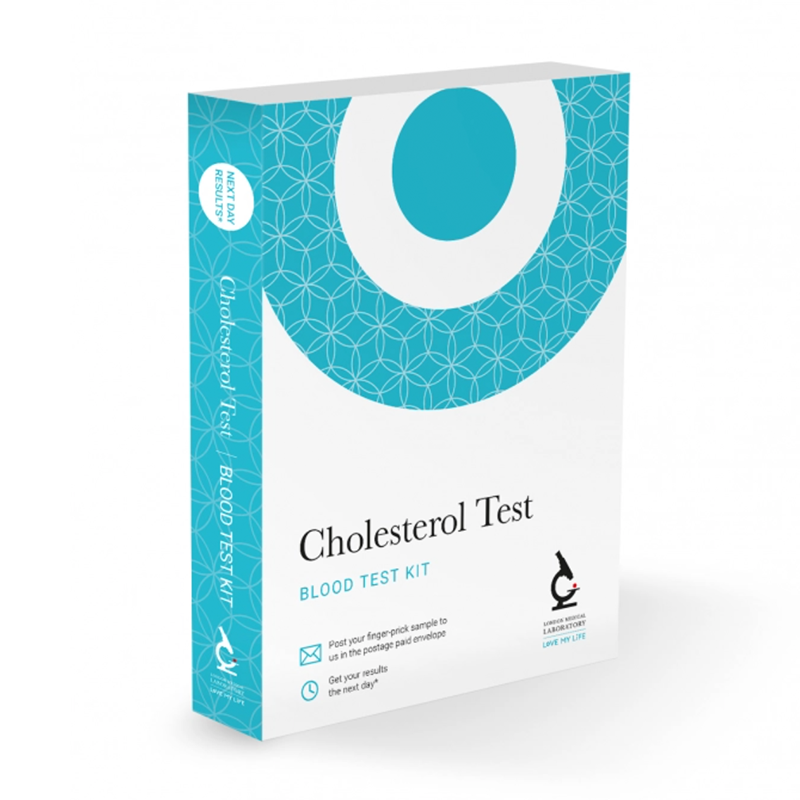
Discover the essentials of your cholesterol with our Lipid Profile test. It provides a clear analysis of your HDL, LDL, and triglyceride levels, giving you a precise picture of your arterial health. Straightforward and informative, it equips you with the knowledge to manage your heart health confidently and proactively.
What's in the box?
What's in the box?
📝 Instructions
💧 Pre-injection swab
🩸 Lancets
🧪 Microtainers
📦 Pre-paid return envelope
Shipping policy
Shipping policy
Orders placed before 1pm (Monday–Friday): Shipped same day
Orders after 1pm or on weekends: Shipped the next working day
🔁 Easy Returns Included
Your test kit comes with a pre-paid Royal Mail Tracked 24 return label inside the box — no printing, no fuss. Just pop your completed sample in the post using any Royal Mail Priority Postbox.
Returns Policy
Returns Policy
🛑 Need to cancel?
You’ve got 14 days.
Cancel before dispatch = full refund.
Cancel after = refund minus £10 kit fee.
- Fast shipping
- speedy results
- Doctor's report
Share
What's tested?
Triglycerides
Triglyceride is a type of blood test that measures the amount of fat in your blood. It is an important test because it helps doctors assess your risk for heart disease. Triglycerides are a type of fat that your body uses for energy. However, having high levels of triglycerides can be harmful to your health.
This test is usually done as part of a cholesterol panel, which also includes measuring your levels of LDL (bad) cholesterol and HDL (good) cholesterol. High triglyceride levels can be caused by factors such as a diet high in unhealthy fats, being overweight, smoking, and not getting enough exercise.
If your triglyceride levels are too high, it can increase your risk of developing heart disease, stroke, and other cardiovascular problems. By measuring your triglyceride levels, you can determine if you need to make lifestyle changes or start medication to lower your risk of heart disease.
Non-HDL Cholesterol
Non-HDL cholesterol is a blood test that measures the amount of cholesterol in your body that is not considered "good" cholesterol. Cholesterol is a waxy substance that is found in your blood and is necessary for your body to function properly. However, having too much cholesterol, especially the "bad" kind, can increase your risk of heart disease and other health problems.
The non-HDL cholesterol test helps to assess your risk of developing heart disease by measuring the total amount of cholesterol in your blood that is not the "good" kind. This includes both low-density lipoprotein (LDL) cholesterol, which is often referred to as the "bad" cholesterol, as well as other types of cholesterol that can contribute to the build-up of plaque in your arteries.
By knowing your non-HDL cholesterol level, you can better understand your risk of heart disease and make informed decisions about lifestyle changes or medications that may be necessary to lower your cholesterol and protect your heart health.
It is important to maintain healthy cholesterol levels to reduce the risk of heart disease and other related complications.
LDL Cholesterol
The Low Density Lipoprotein (LDL) test is a blood test that measures the amount of a specific type of cholesterol in your body. Cholesterol is a waxy substance that is produced by your liver and is also found in certain foods. While some cholesterol is necessary for our bodies to function properly, too much LDL cholesterol can be harmful.
LDL cholesterol is often referred to as "bad" cholesterol because it can build up in the walls of your arteries, leading to a condition called atherosclerosis. This can restrict blood flow and increase the risk of heart disease and stroke.
The LDL test helps to assess your risk of developing these conditions by measuring the amount of LDL cholesterol in your blood. It is usually done as part of a lipid profile, which also includes measurements of other types of cholesterol.
Based on the results of the LDL test, your healthcare provider can determine if you have high levels of LDL cholesterol and if any lifestyle changes or medications are needed to lower it. It is important to maintain healthy levels of LDL cholesterol to reduce the risk of heart disease and stroke.
HDL Cholesterol
The HDL Cholesterol test measures the level of a specific type of cholesterol in your blood called high-density lipoprotein (HDL). HDL cholesterol is often referred to as "good" cholesterol because it helps remove harmful cholesterol from your arteries, reducing the risk of heart disease.
This test is important because having high levels of HDL cholesterol is beneficial for your heart health. It acts like a scavenger, picking up excess cholesterol from your blood vessels and taking it back to the liver for processing and removal. This helps prevent the build-up of plaque in your arteries, which can lead to blockages and increase the risk of heart attacks and strokes.
By measuring your HDL cholesterol levels, this test can provide valuable information about your heart health and help identify any potential risks. If your HDL cholesterol levels are low, it may indicate an increased risk of heart disease. On the other hand, if your HDL cholesterol levels are high, it suggests a lower risk of heart problems.
Total Cholesterol
The Cholesterol (Total) test is a blood test that measures the amount of cholesterol in your body. Cholesterol is a waxy substance that is found in your blood and is important for the normal functioning of your body. However, having too much cholesterol can be harmful to your health.
This test is used to assess your risk of developing heart disease. High levels of cholesterol can lead to the build-up of plaque in your arteries, which can restrict blood flow and increase your chances of having a heart attack or stroke. By measuring your total cholesterol levels, this test helps determine if you have a higher risk of developing these conditions.