

Checkmate Bloods
General Health Blood Test
General Health Blood Test
Couldn't load pickup availability
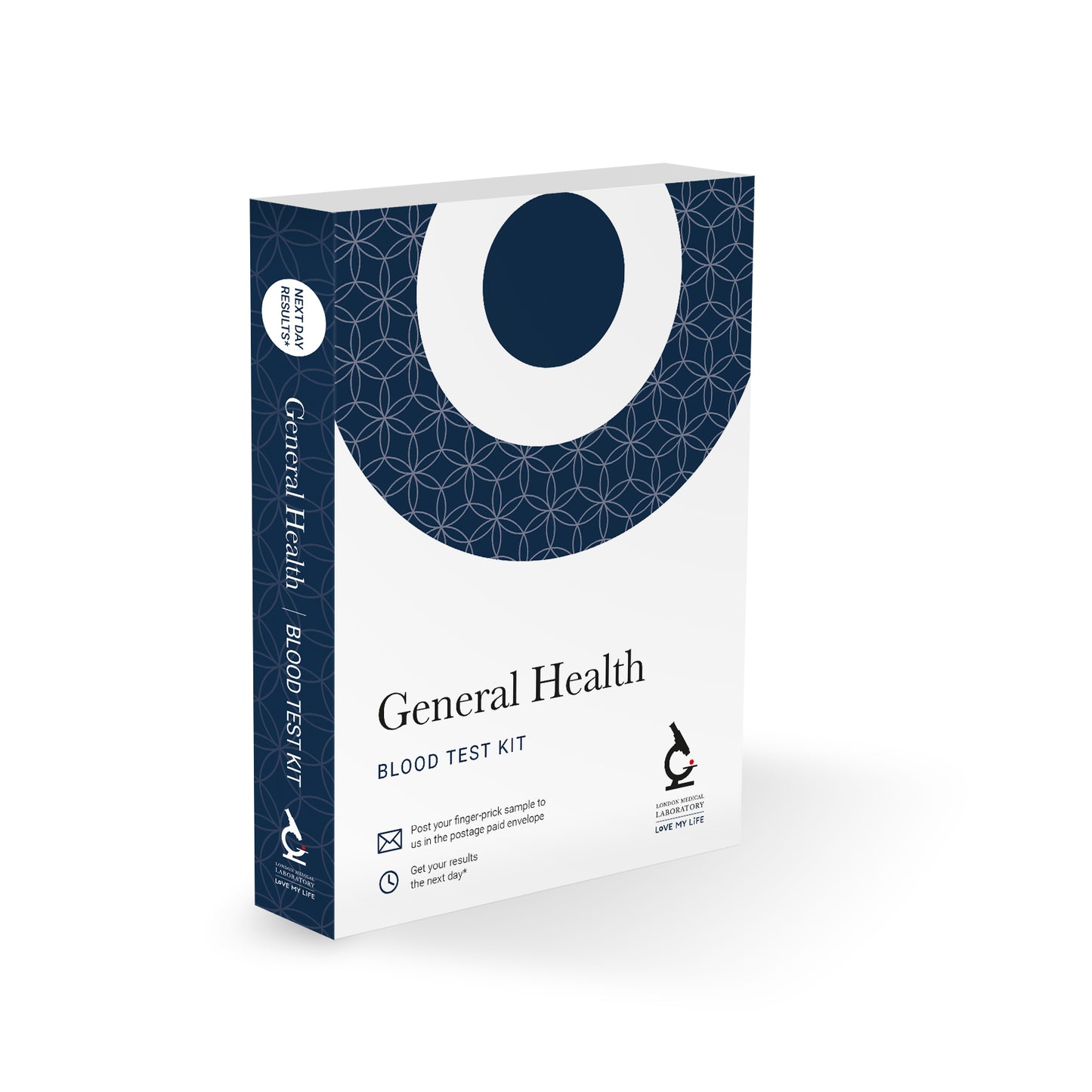
Keep tabs on your health from the comfort of home with this General Health Blood Test. It checks key markers like liver and kidney function, iron levels, lipids, HbA1c, and calcium to give you a clear snapshot of your wellbeing. Easy, quick, and hassle-free—because staying healthy should be simple and fun!
What's in the box?
What's in the box?
📝 Instructions
💧 Pre-injection swab
🩸 Lancets
🧪 Microtainers
📦 Pre-paid return envelope
Shipping policy
Shipping policy
Orders placed before 1pm (Monday–Friday): Shipped same day
Orders after 1pm or on weekends: Shipped the next working day
🔁 Easy Returns Included
Your test kit comes with a pre-paid Royal Mail Tracked 24 return label inside the box — no printing, no fuss. Just pop your completed sample in the post using any Royal Mail Priority Postbox.
Returns Policy
Returns Policy
🛑 Need to cancel?
You’ve got 14 days.
Cancel before dispatch = full refund.
Cancel after = refund minus £10 kit fee.
- Fast shipping
- speedy results
- Doctor's report
Share
What's tested?
Total Cholesterol
The Cholesterol (Total) test is a blood test that measures the amount of cholesterol in your body. Cholesterol is a waxy substance that is found in your blood and is important for the normal functioning of your body. However, having too much cholesterol can be harmful to your health.
This test is used to assess your risk of developing heart disease. High levels of cholesterol can lead to the build-up of plaque in your arteries, which can restrict blood flow and increase your chances of having a heart attack or stroke. By measuring your total cholesterol levels, this test helps determine if you have a higher risk of developing these conditions.
HDL Cholesterol
The HDL Cholesterol test measures the level of a specific type of cholesterol in your blood called high-density lipoprotein (HDL). HDL cholesterol is often referred to as "good" cholesterol because it helps remove harmful cholesterol from your arteries, reducing the risk of heart disease.
This test is important because having high levels of HDL cholesterol is beneficial for your heart health. It acts like a scavenger, picking up excess cholesterol from your blood vessels and taking it back to the liver for processing and removal. This helps prevent the build-up of plaque in your arteries, which can lead to blockages and increase the risk of heart attacks and strokes.
By measuring your HDL cholesterol levels, this test can provide valuable information about your heart health and help identify any potential risks. If your HDL cholesterol levels are low, it may indicate an increased risk of heart disease. On the other hand, if your HDL cholesterol levels are high, it suggests a lower risk of heart problems.
LDL Cholesterol
The Low Density Lipoprotein (LDL) test is a blood test that measures the amount of a specific type of cholesterol in your body. Cholesterol is a waxy substance that is produced by your liver and is also found in certain foods. While some cholesterol is necessary for our bodies to function properly, too much LDL cholesterol can be harmful.
LDL cholesterol is often referred to as "bad" cholesterol because it can build up in the walls of your arteries, leading to a condition called atherosclerosis. This can restrict blood flow and increase the risk of heart disease and stroke.
The LDL test helps to assess your risk of developing these conditions by measuring the amount of LDL cholesterol in your blood. It is usually done as part of a lipid profile, which also includes measurements of other types of cholesterol.
Based on the results of the LDL test, your healthcare provider can determine if you have high levels of LDL cholesterol and if any lifestyle changes or medications are needed to lower it. It is important to maintain healthy levels of LDL cholesterol to reduce the risk of heart disease and stroke.
Non-HDL Cholesterol
Non-HDL cholesterol is a blood test that measures the amount of cholesterol in your body that is not considered "good" cholesterol. Cholesterol is a waxy substance that is found in your blood and is necessary for your body to function properly. However, having too much cholesterol, especially the "bad" kind, can increase your risk of heart disease and other health problems.
The non-HDL cholesterol test helps to assess your risk of developing heart disease by measuring the total amount of cholesterol in your blood that is not the "good" kind. This includes both low-density lipoprotein (LDL) cholesterol, which is often referred to as the "bad" cholesterol, as well as other types of cholesterol that can contribute to the build-up of plaque in your arteries.
By knowing your non-HDL cholesterol level, you can better understand your risk of heart disease and make informed decisions about lifestyle changes or medications that may be necessary to lower your cholesterol and protect your heart health.
It is important to maintain healthy cholesterol levels to reduce the risk of heart disease and other related complications.
Triglycerides
Triglyceride is a type of blood test that measures the amount of fat in your blood. It is an important test because it helps doctors assess your risk for heart disease. Triglycerides are a type of fat that your body uses for energy. However, having high levels of triglycerides can be harmful to your health.
This test is usually done as part of a cholesterol panel, which also includes measuring your levels of LDL (bad) cholesterol and HDL (good) cholesterol. High triglyceride levels can be caused by factors such as a diet high in unhealthy fats, being overweight, smoking, and not getting enough exercise.
If your triglyceride levels are too high, it can increase your risk of developing heart disease, stroke, and other cardiovascular problems. By measuring your triglyceride levels, you can determine if you need to make lifestyle changes or start medication to lower your risk of heart disease.
HbA1c (Glycated Haemoglobin)
The HbA1c test is a blood test that measures the average amount of sugar in your blood over the past 2-3 months.
It is used to diagnose and monitor diabetes, a condition where your body has trouble regulating blood sugar levels.
The test is important because high blood sugar levels can damage your organs over time, leading to serious health problems
If your HbA1c level is high then it confirms that you have diabetes mellitus. It is very useful for screening people in general to see if they have Type 2 diabetes as it is often difficult to diagnose this type of diabetes from symptoms alone.
Checking HbA1c levels regularly if you already know you have diabetes is essential too, as it is the best way to check if you are managing your blood sugar levels effectively and therefore reducing the chances of the serious medical complications that can occur if high blood sugar levels are not controlled.
By measuring your HbA1c levels, your doctor can adjust your treatment plan if necessary.
It is recommended that people with diabetes get this test done at least twice a year to ensure their blood sugar levels are within a healthy range.
Urate
The Urate (Uric acid) test is a simple blood test that measures the level of uric acid in your body. Uric acid is a waste product that is produced when your body breaks down certain foods, especially those high in purines. This test is commonly used to diagnose and monitor conditions like gout, a type of arthritis caused by high levels of uric acid in the blood.
Gout occurs when uric acid crystals build up in the joints, leading to pain, swelling, and inflammation. By measuring the uric acid levels, this test helps doctors determine if you have gout or if you are at risk of developing it. It can also be used to monitor the effectiveness of treatment for gout or other conditions that affect uric acid levels, such as kidney disease or certain medications.
If your uric acid levels are too high, your doctor may recommend lifestyle changes, such as reducing your intake of purine-rich foods and increasing your fluid intake. They may also prescribe medications to help lower your uric acid levels and prevent gout attacks.
Iron
Iron is an essential mineral that helps your body produce red blood cells and carry oxygen throughout your body. This test is commonly used to check for iron deficiency or iron overload.
If your iron levels are too low, it means you may not have enough iron to make sufficient red blood cells, which can lead to a condition called iron deficiency anaemia. Symptoms of iron deficiency anaemia include fatigue, weakness, pale skin, and shortness of breath.
On the other hand, if your iron levels are too high, it may indicate a condition called hemochromatosis, where your body absorbs too much iron from the food you eat. This can lead to organ damage over time.
By measuring your iron levels, this test helps diagnose and monitor these conditions. Depending on the results, your doctor may recommend dietary changes, iron supplements, or further testing to determine the underlying cause of your iron levels.
urea
Urea is a waste product that is produced when your body breaks down proteins. This test is commonly used to check how well your kidneys are functioning.
When your kidneys are healthy, they filter out urea and other waste products from your blood, which are then excreted in your urine. However, if your kidneys are not working properly, urea can build up in your blood.
By measuring the level of urea in your blood, you can get an idea of how well your kidneys are working.
This test can help diagnose kidney problems, such as kidney disease or damage. It can also be used to monitor the progress of kidney disease and determine the effectiveness of treatment.
Creatinine
Creatinine is a test that measures the level of a waste product called creatinine in your blood. Creatinine is produced by your muscles and is normally filtered out of your body by your kidneys. This test helps to evaluate how well your kidneys are functioning.
When your kidneys are healthy, they efficiently remove creatinine from your blood. However, if your kidneys are not working properly, the level of creatinine in your blood can increase. High levels of creatinine may indicate kidney damage or disease.
This test is often ordered if you have symptoms of kidney problems, such as frequent urination, swelling in your legs or feet, or changes in urine colour. It is also used to monitor the progression of kidney disease and to adjust medication dosages for certain conditions.
estimated GFR
The eGFR test, or estimated Glomerular Filtration Rate test, is a crucial laboratory measurement used to assess kidney function. It estimates how well the kidneys are filtering blood and removing waste products.
eGFR is calculated from the blood level of creatinine along with other variables such as age, sex, and body size. Creatinine is a waste product produced by muscle metabolism and usually filtered out of the blood by the kidneys.
eGFR is primarily used to screen for and monitor kidney disease. Healthy kidneys effectively filter blood, but damaged kidneys may not perform as well, leading to a lower eGFR.
It is also used for monitoring Kidney Disease Progression: For patients already diagnosed with kidney disease, regular eGFR tests help monitor the disease's progression.
Guiding Treatment: Kidney function, as measured by eGFR, influences decisions about medication dosages and other treatments.
The eGFR is typically calculated using the creatinine level along with formulas such as the MDRD (Modification of Diet in Renal Disease) study equation or the CKD-EPI (Chronic Kidney Disease Epidemiology Collaboration) equation.
Regular monitoring of eGFR is essential for patients with known risk factors for kidney disease, such as diabetes and hypertension.
Total Bilirubin
The Bilirubin (Total) test is a blood test that measures the level of a substance called bilirubin in your body. Bilirubin is a yellow pigment that is produced when red blood cells break down. This test is commonly used to check the health of your liver and to diagnose certain liver conditions.
When your liver is working properly, it helps remove bilirubin from your body. However, if your liver is not functioning well, it may not be able to process bilirubin effectively, leading to an increase in its levels. High levels of bilirubin can cause a yellowing of the skin and eyes, known as jaundice.
By measuring the amount of bilirubin in your blood, this test can help determine if your liver is functioning properly or if there may be an underlying liver problem.
Gamma GT
The Gamma GT test is a blood test that measures the levels of an enzyme called Gamma Glutamyl Transferase (GGT) in your body. This test is commonly used to check the health of your liver and to detect any potential liver damage or disease.
The liver is an important organ that helps filter out toxins and waste from your body. GGT is an enzyme that is mainly found in the liver, but it is also present in other organs like the pancreas and kidneys. When the liver is damaged or not functioning properly, the levels of GGT in the blood can increase.
By measuring the levels of GGT, doctors can get an idea of how well your liver is working. High levels of GGT may indicate liver problems such as hepatitis, cirrhosis, or alcohol abuse. It can also be a sign of other health conditions like diabetes or heart disease.
Alanine Transaminase
The ALT test, also known as Alanine Aminotransferase test, is a blood test that helps to evaluate the health of your liver. The liver is an important organ that performs various functions in your body, such as filtering toxins, producing bile for digestion, and storing vitamins and minerals.
The ALT test measures the levels of an enzyme called alanine aminotransferase in your blood. When the liver is damaged or inflamed, it releases this enzyme into the bloodstream. Therefore, the ALT test can indicate if there is any liver damage or disease present.
High levels of ALT may suggest liver conditions like hepatitis (inflammation of the liver), cirrhosis (scarring of the liver), or fatty liver disease. It can also be a sign of certain medications or alcohol abuse affecting the liver.
Detecting abnormal ALT levels can help diagnose liver problems early on, allowing for timely treatment and prevention of further damage.
Albumin
Albumin is a test that measures the level of a protein called albumin in your blood. Albumin is an important protein that helps carry various substances, such as hormones, vitamins, and medications, throughout your body. This test is commonly used to assess the health of your liver and kidneys.
When your liver or kidneys are not functioning properly, the level of albumin in your blood may decrease. Low levels of albumin can indicate liver disease, kidney disease, malnutrition, or inflammation in the body. It can also be a sign of a chronic condition, such as diabetes or heart failure.
Measuring the albumin level can give valuable insights into your overall health and identify any underlying conditions that may need further evaluation or treatment. This test is usually performed as part of a routine check-up or if you are experiencing symptoms like swelling, fatigue, or unexplained weight loss.
Adjusted calcium
The adjusted calcium test is a blood test that measures the level of calcium in your body after taking into account the levels of albumin, a protein in your blood. This test is used to determine if your body has the right amount of calcium, which is important for healthy bones, muscles, and nerves.
Calcium plays a crucial role in many bodily functions, so having the right balance is important for overall health. If your calcium levels are too high or too low, it can lead to symptoms like muscle weakness, fatigue, and bone pain.
The adjusted calcium test helps healthcare providers diagnose and monitor conditions such as kidney disease, thyroid disorders, and certain types of cancer that can affect calcium levels. It can also help determine if a person is at risk for developing osteoporosis, a condition characterized by weak and brittle bones.
Calcium
Calcium is an essential mineral that plays a crucial role in maintaining strong bones and teeth, as well as helping your muscles and nerves function properly.
High calcium levels may suggest conditions like hyperparathyroidism, certain types of cancer, or kidney problems. On the other hand, low calcium levels can be a sign of hypoparathyroidism, vitamin D deficiency, or malabsorption issues.
By measuring your calcium levels, this test helps doctors diagnose and monitor conditions related to calcium metabolism. It can also help determine the effectiveness of treatments for these conditions. If your calcium levels are abnormal, further tests may be needed to identify the underlying cause and guide appropriate treatment.